



Artists-In-Residence Program
For over 30 years Arrowmont has welcomed Artists-in-Residence (AIRs) to campus for an 11-month, self-directed residency. This unique program provides 5 early-career artists the time, space and support needed to create new work, while actively participating in our robust community of artists, students and staff.
Resident experiences are tailored to the individual’s goals and desired outcomes, with guaranteed exposure and professional development opportunities including – 3 gallery exhibitions, open-studio talks and demonstration, instruction experience through our ArtReach program, and funded networking resources.
We interviewed one of our current AIRs, Sam van Strien, to learn more about him and what his experience has been during his residency here at Arrowmont. Continue reading to learn more about Sam!
Q&A
Tell us a little bit more about yourself! Your life/work prior to arriving at Arrowmont and any interesting facts we should know about you!
I’m Sam van Strien, one of the current Artists-in-Residence at Arrowmont! I’m originally from the Netherlands but grew up in a small town in the West Midlands, UK. I then moved to London for my BA in Fine Art from Central Saint Martins at the University of the Arts and following that moved to the US for my MFA at Ohio State University. My life has been nomadic – following family, education, and opportunities wherever they take me!
Since graduating, I’ve been ‘residency-hopping’ – making and immersing myself in different communities, teaching, and working in galleries. Each move has informed what I make in the studio, influencing my work in unexpected ways. I love how residencies create space for both deep focus, unexpected experiences, and lifelong friendships, and Arrowmont has been no exception!
What drew you to the Artists-in-Residence Program at Arrowmont?
I first heard about Arrowmont and craft schools in Appalachia during my time as a MFA student at Ohio State. What drew me to apply was the unique environment – a space where craft and community come together in a way that’s different from traditional academic settings and even other residency programs.
The chance to develop my practice in such an immersive setting, surrounded by incredible artists and craftspeople from across the US and beyond, felt like the perfect next step. I was especially excited to engage with Arrowmont’s deep-rooted history in weaving and textiles, as well as the hands-on nature of the program – whether it’s teaching, assisting with exhibitions, or being involved in the day-to-day life of Arrowmont.
What is something that you have learned about yourself during your residency here?
I’ve learned to be more patient with myself and my process. Arrowmont has been a very nurturing environment, and being here has reminded me that meaningful work takes time. This residency has reinforced the importance of being present in the making process rather than rushing toward an outcome. It’s been a valuable shift in perspective – one that I hope to carry forward beyond my time here.
Tell us a bit about your work process and how it has changed since you have been at Arrowmont.
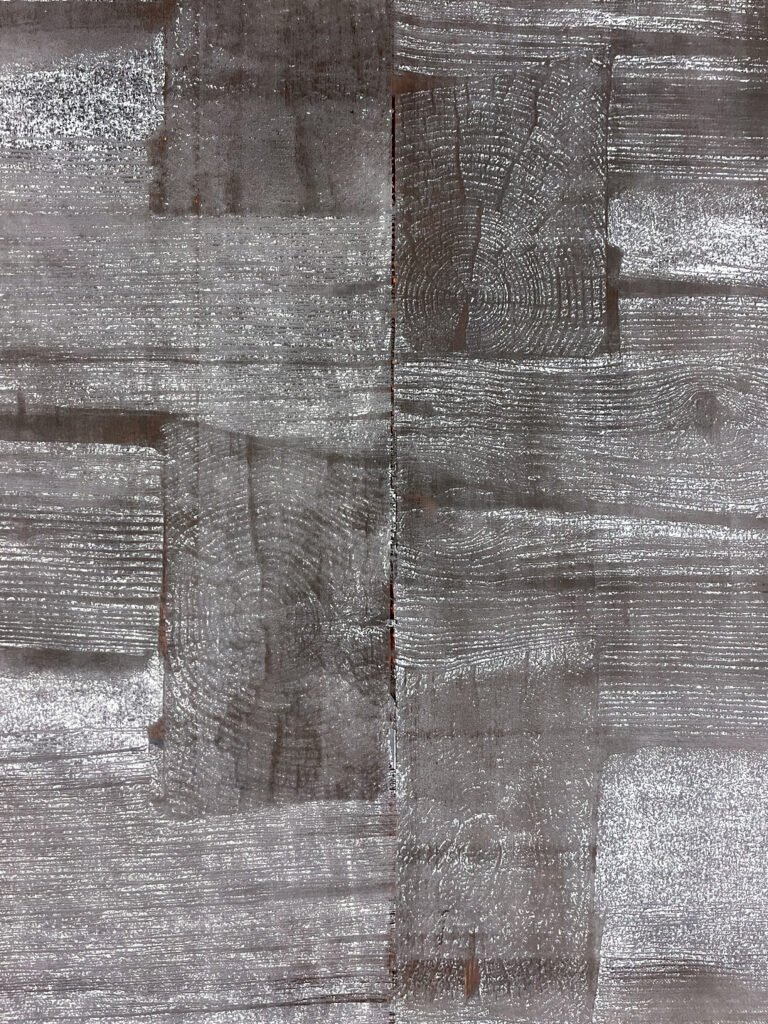
My work often evolves from a deep engagement with the places I live, particularly through their architecture. I’m fascinated by how the built environment shapes us – both individually and collectively as a society. I use various techniques in my practice, such as rubbings from buildings, laser-cut engravings of photographs, and drawings responding to archival records. Before coming to Arrowmont, much of my work centered on urban modernist architecture, but this residency has marked a significant shift.
Working in a more rural environment, I found myself responding to a different architectural history – one deeply connected with personal and regional narratives. Many people here have strong connections to the history of the area, whether through the TVA, the establishment of the Great Smoky Mountains National Park, or the tourism industry. This experience has broadened my perspective, pushing me to consider new ways of approaching how to represent architecture and the ways it shapes communities.
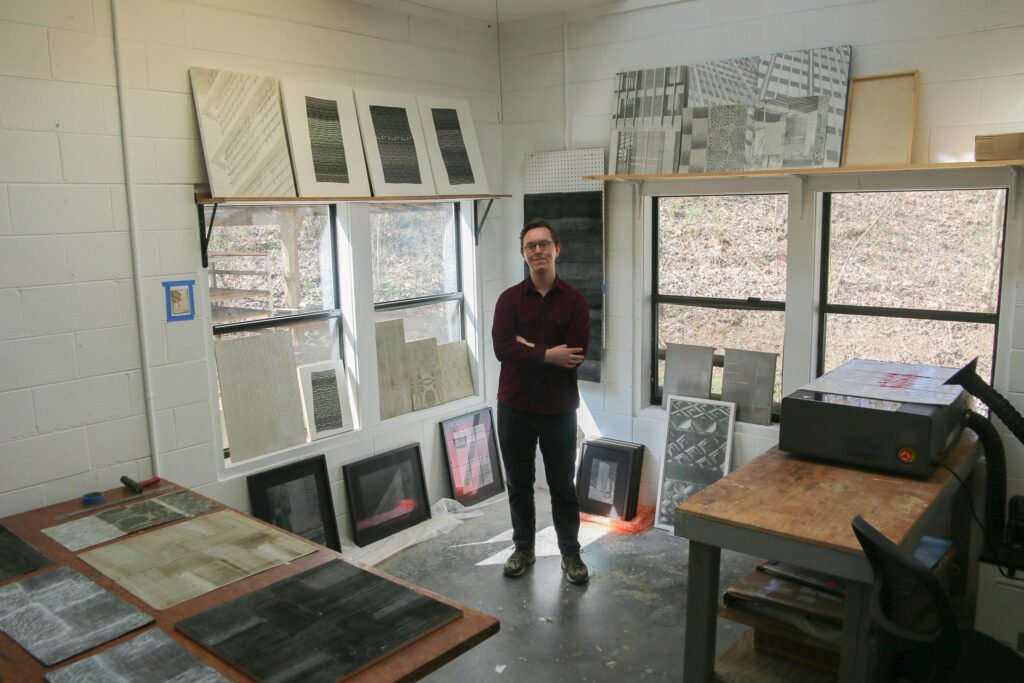
Can you share any specifics about your work for the closing AIR exhibition in May? Everyone loves a teaser!
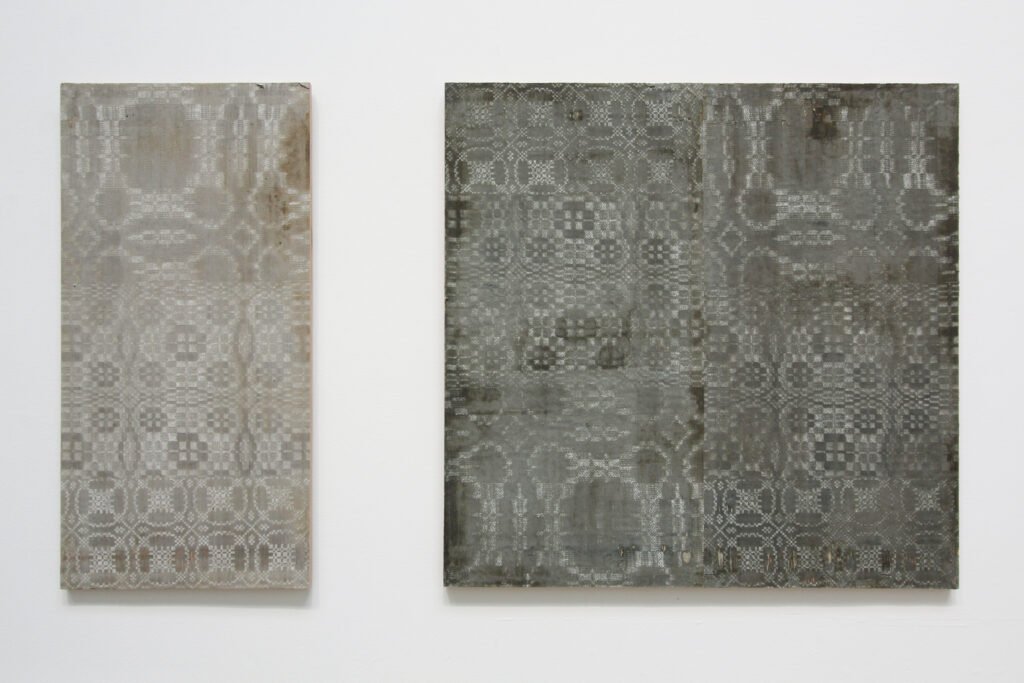
The last few months at Arrowmont has been dedicated to developing a project that investigates the region’s-built environment through weaving, drawing, rubbings, and archival texts. This work explores the architectural and historical legacy of the Tennessee Valley Authority while drawing inspiration from the unique vernacular forms of Appalachia, such as East Tennessee’s iconic cantilever barns. For some background, the TVA was a transformative New Deal project that reshaped the Tennessee Valley. It built a network of multipurpose dams that not only helped with flood control and electricity generation but also sparked industrialization in a region that was once mostly agricultural. However, this transformation came with a heavy price: the displacement of thousands through eminent domain and the flooding of entire towns and communities. Beyond the local impact, the energy from these dams played a key role in the wartime efforts during World War II.
With this work, I’m thinking about the intersections of architecture, history, and power, reflecting on how architecture shapes both communities and the land.
What has been the most valuable thing you’ve learned in your residency (so far)?
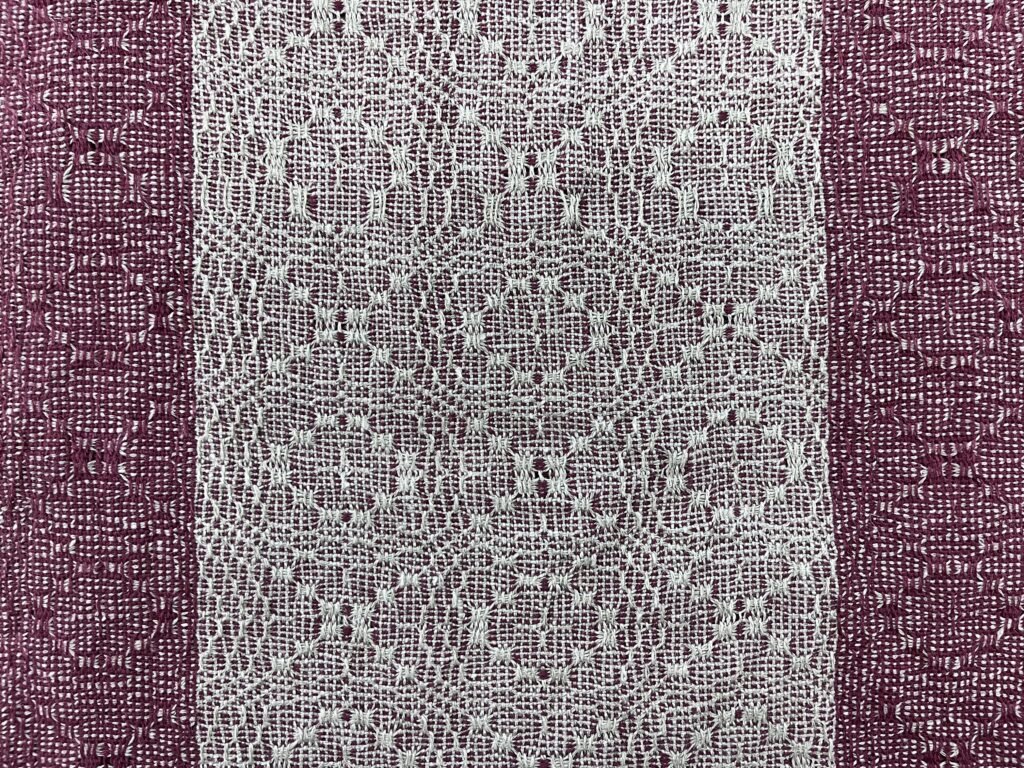
One of the most valuable experiences during my residency has been the two-week floor loom weaving workshop with Amanda Thatch, an inspiring teacher and artist. Weaving was something I had been wanting to learn for a long time, and being at Arrowmont provided the perfect opportunity to learn more about the process. The workshop not only introduced me to a new technical skill in weaving but also expanded the way I think about architecture, grids, and pattern making – elements that resonate with my broader interests. It’s been exciting to see how weaving might inform my future work, both conceptually and materially.
As an Arrowmont Artist-In-Residence, you have had the opportunity to participate in our youth outreach program, ArtReach, as an instructor. Would you share your experience working with that program and how your work as an artist influenced the workshop you taught? Did you learn anything from the kids who participated?
I really enjoyed my time as an instructor for ArtReach. I led workshops where students created accordion books in response to the architecture of Arrowmont’s historic campus. It was exciting to see them engage with their surroundings in such a thoughtful way – translating buildings, textures, and details into their own visual narratives.
One of the most rewarding aspects of teaching was witnessing their curiosity spark in real time. As they drew in their handmade books, they often noticed details about the campus that I had overlooked, offering fresh perspectives on a place I had become so familiar with. That sense of curiosity and attention to the built environment is something I always try to cultivate in my own practice, and it was inspiring to see it take root in young artists.
What advice would you give to a future Artist-in-Residence?
My biggest advice to a future Artist-in-Residence is to stay organized and stay open. Keep a good calendar – there’s a lot happening at Arrowmont, and you’ll want to make the most of it. That said, know your limits and set boundaries with your time.
You’ll meet an incredible range of talented people – students, instructors, work studies, and staff – so take the time to connect and learn from them. And don’t forget to step outside the studio! Enjoy the changing seasons and go on hikes and swims in the national park.
Is there anything else you’d like people to know about you, the residency or Arrowmont? We’re all ears!
Arrowmont has been an incredibly supportive and transformative experience – creatively, personally, and professionally. Being immersed in a craft school environment, surrounded by such talented artists and craftspeople, has been truly inspiring. The sense of community here is special.
I’m looking forward to our Artists-In-Residence exhibition, which we’ll be installing in early April. And beyond that, I’m very excited to be showing my work at the Knoxville Museum of Art as part of Electricity for All, an exhibition opening in May. It’s a perfect coincidence that this exhibition explores the relationship between technology, information, and power through the historical framework of the Tennessee Valley Authority – themes I’ve been engaged with during my residency. I’m excited to see what comes next after Arrowmont, but no matter where I go, I know I’ll stay connected to this place and the amazing community here who have supported and inspired me along the way.
