In our pursuit of technological advancement and material success, modern society has gradually severed its connection to deeper sources of meaning, imagination, and beauty that shape human experience. This disconnection is intensified by the noise of mass production and a culture of polemics, contributing to a widespread sense of disorientation. Meanwhile, the earth and all living things bear the consequences of this collective indifference.
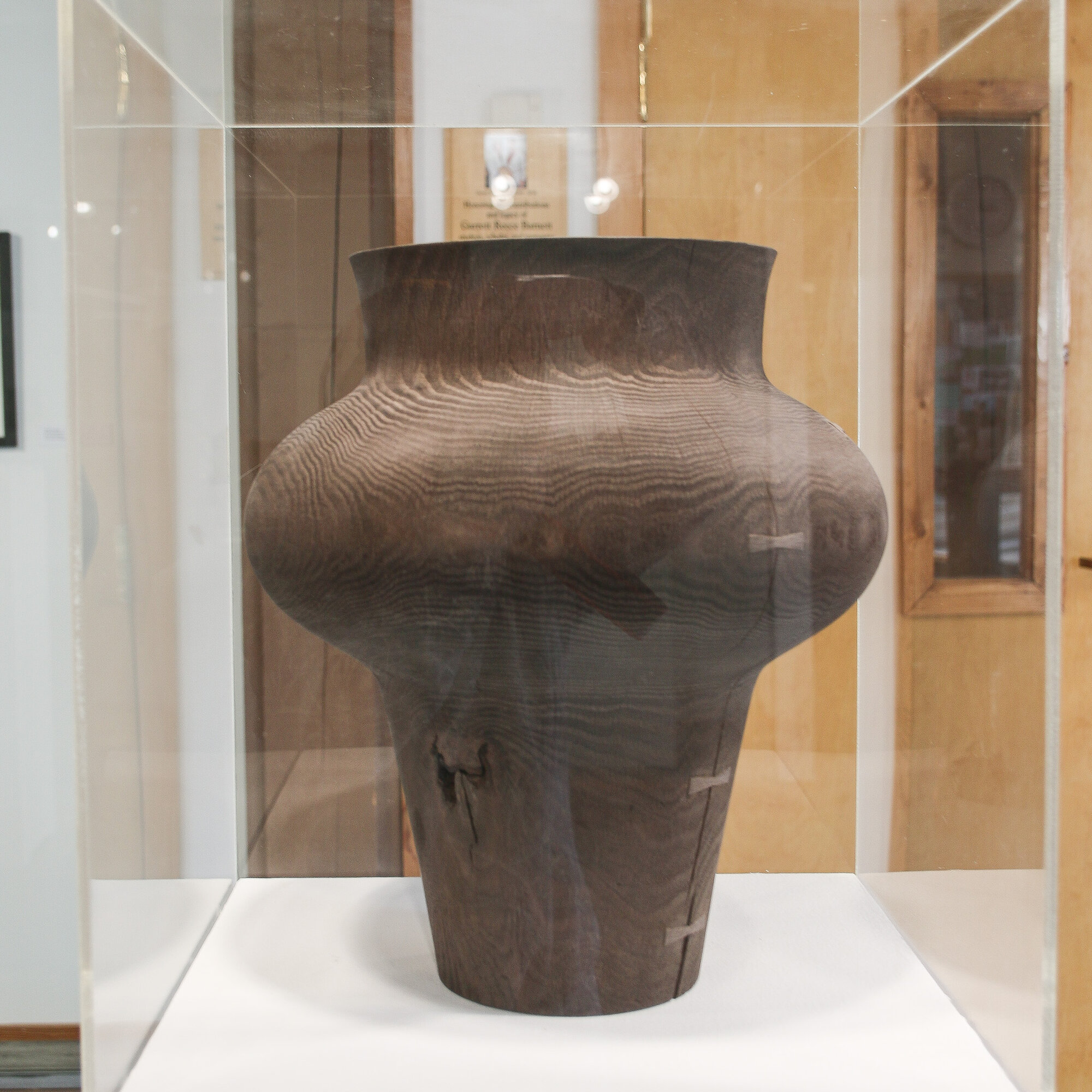
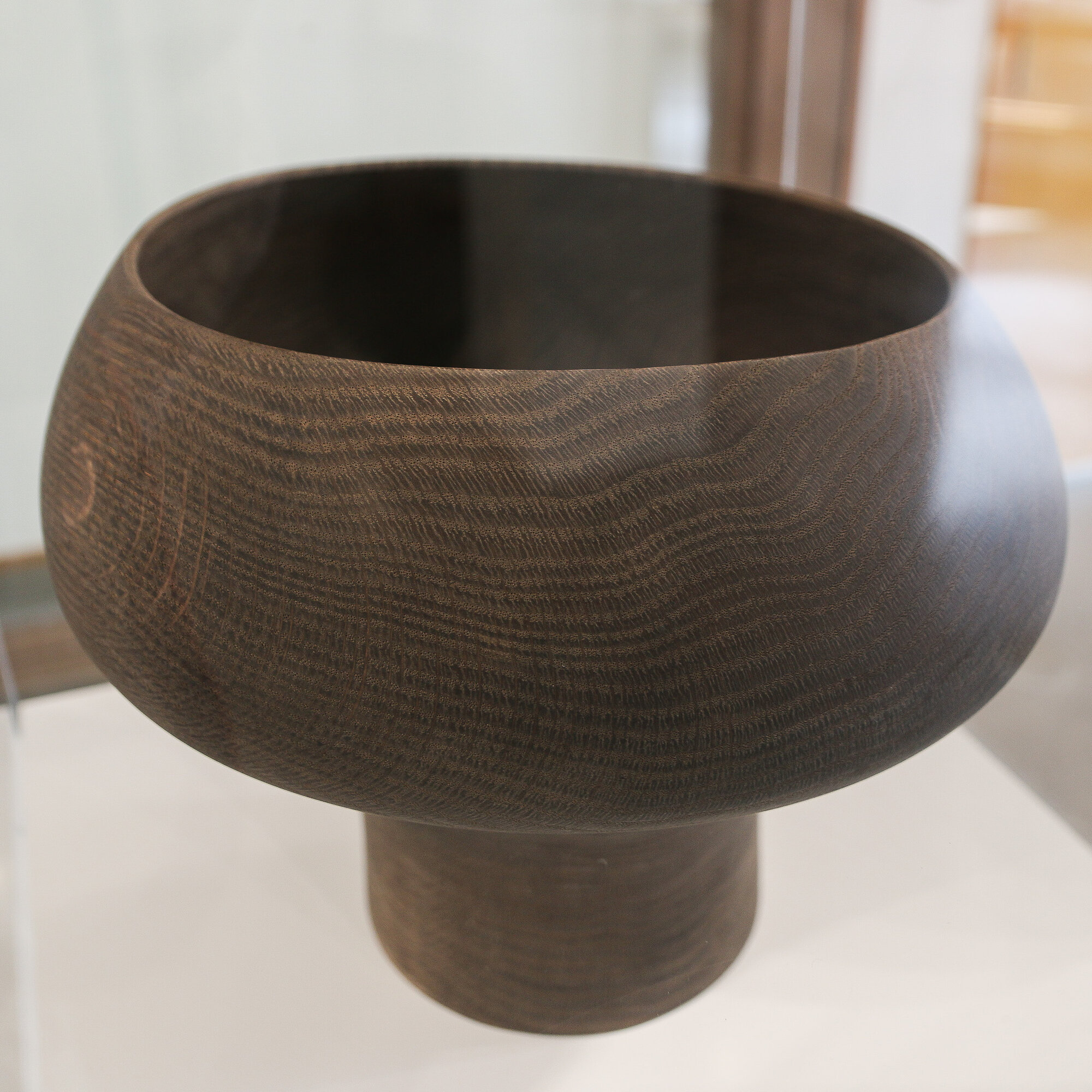
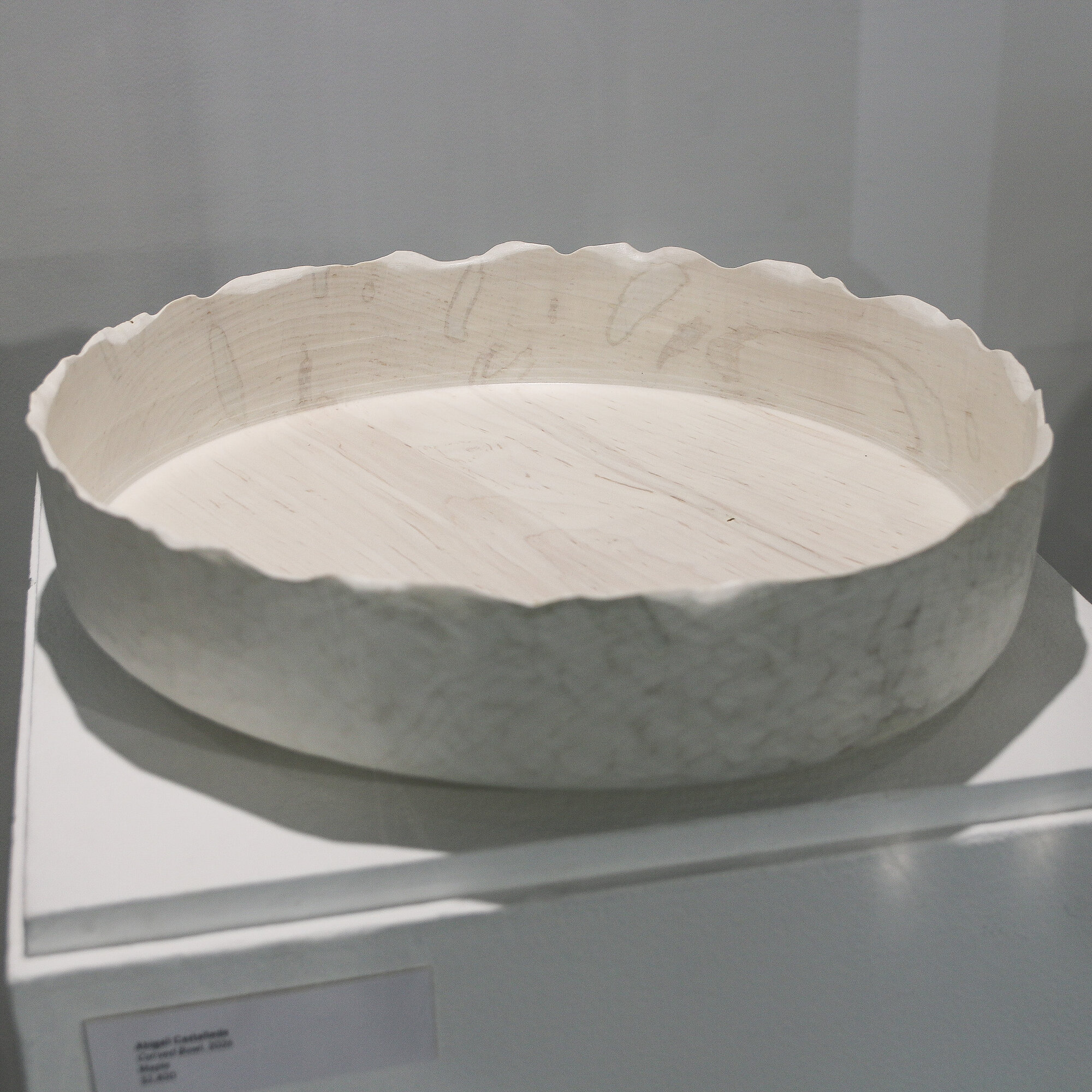
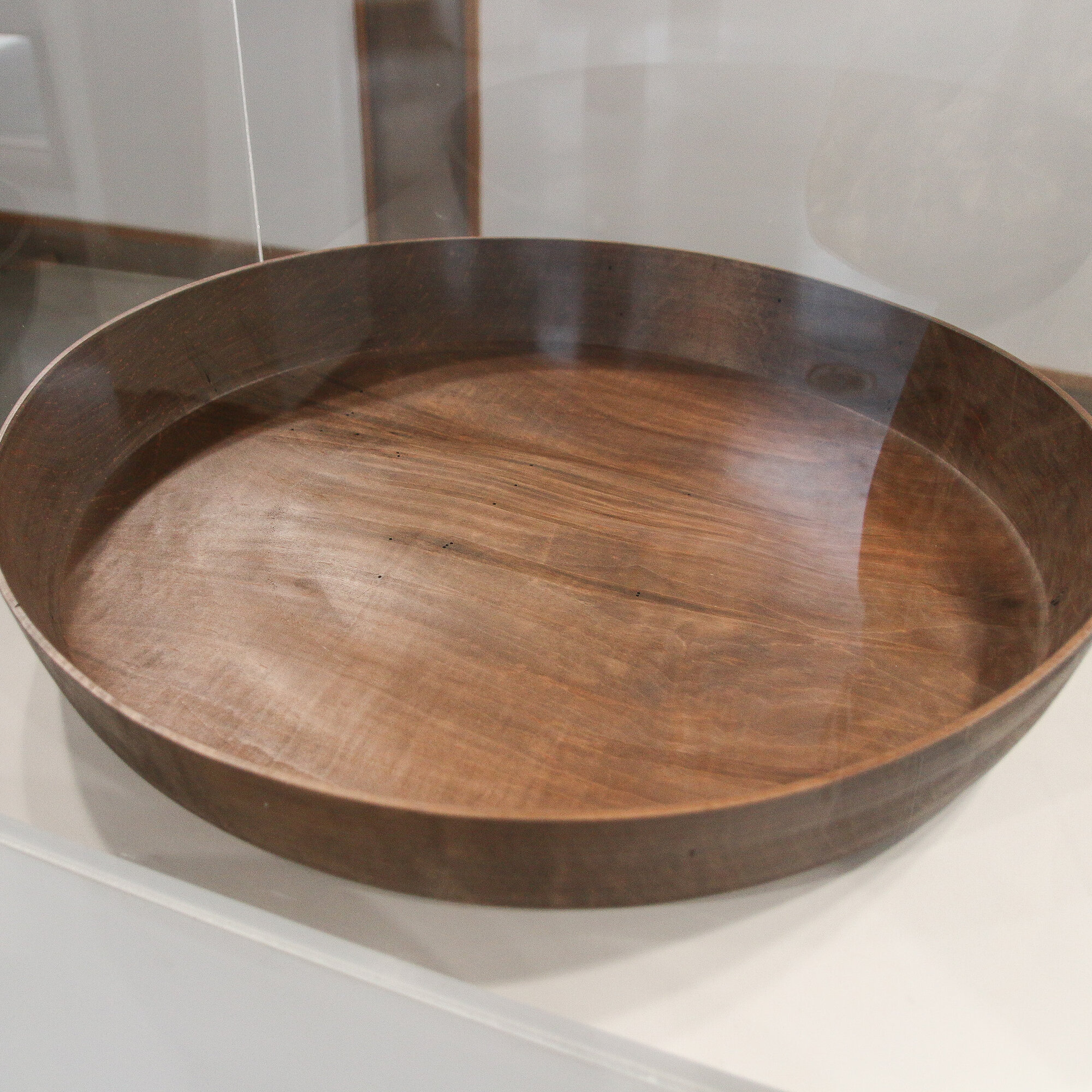
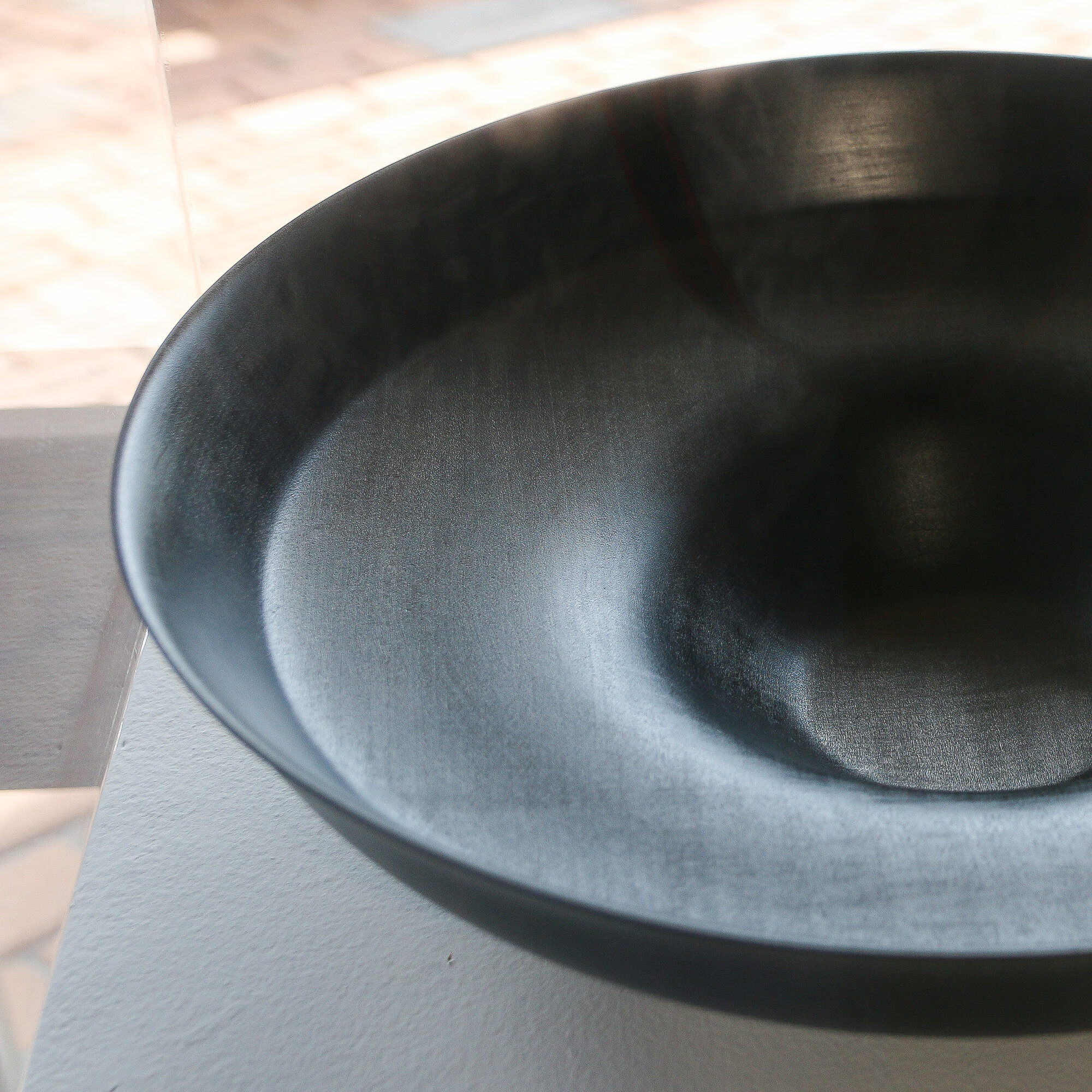
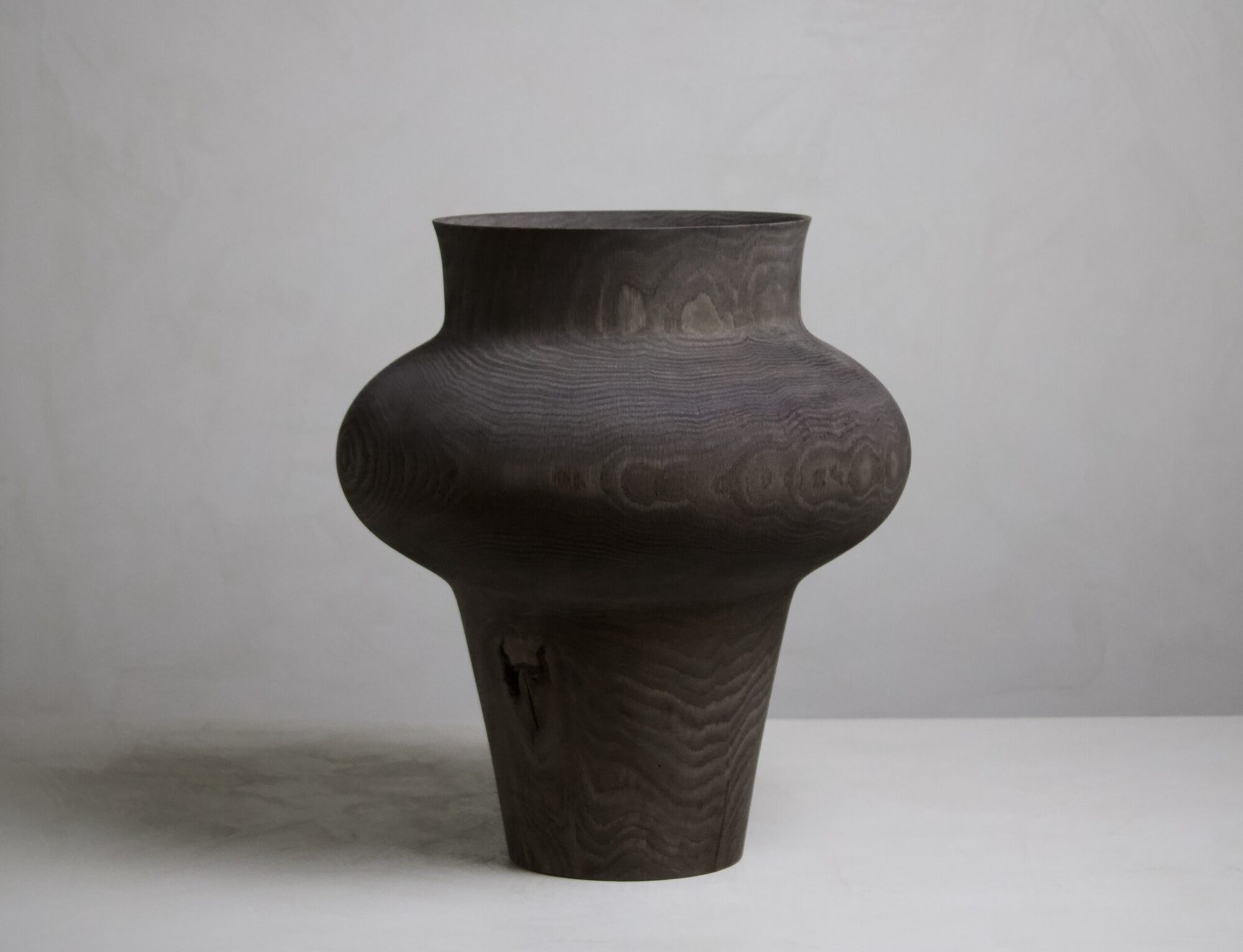
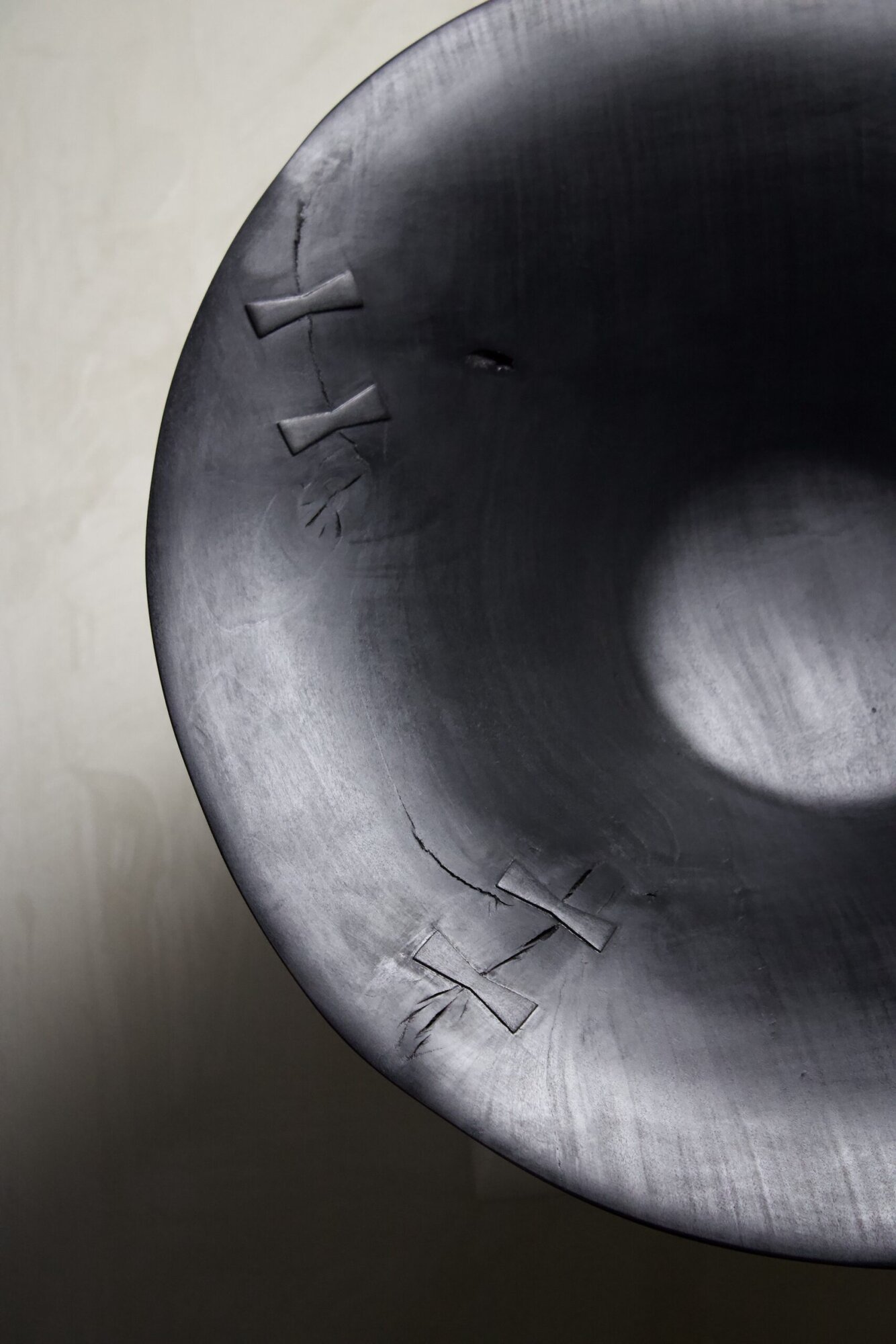
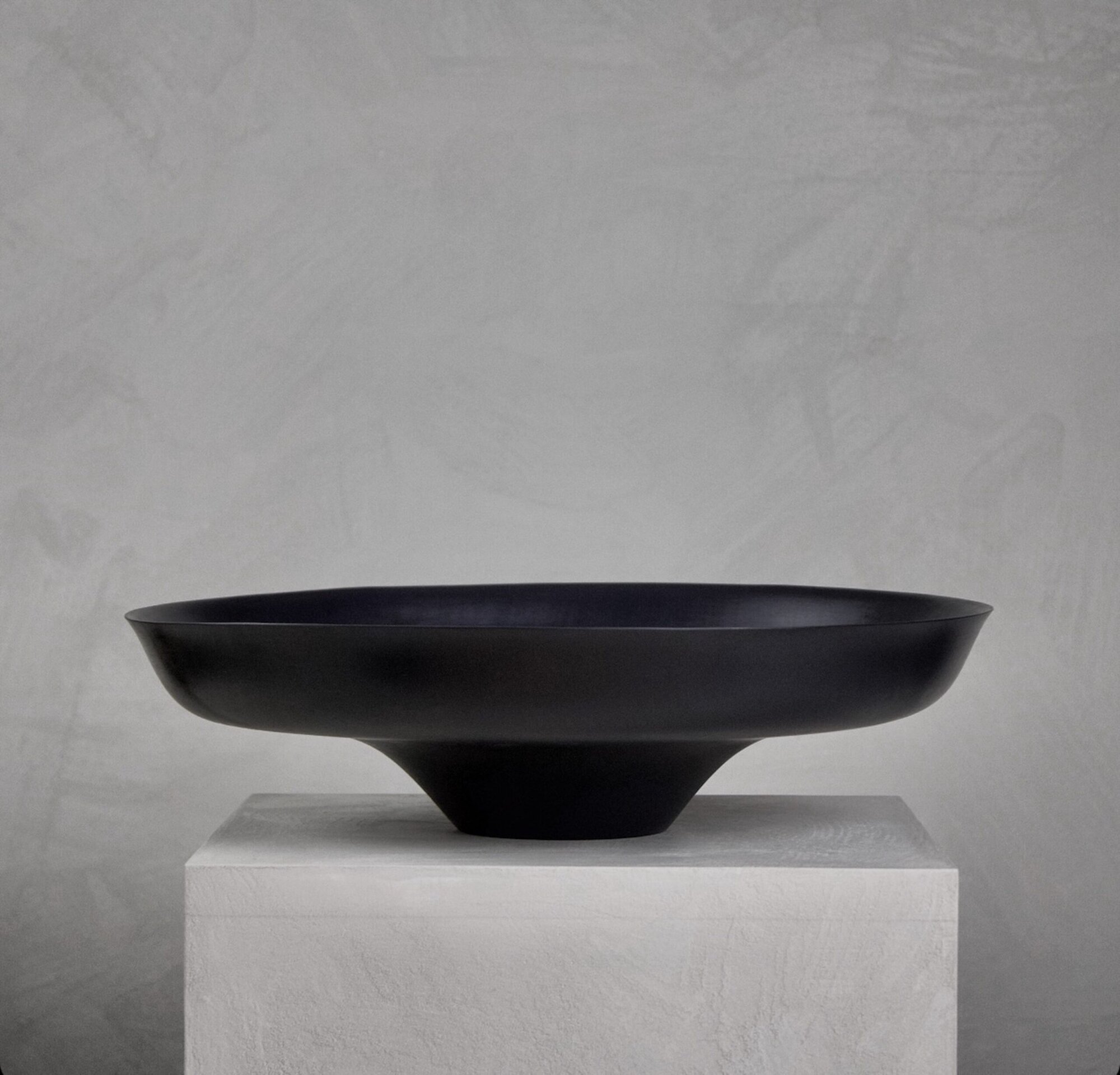
This body of work grows from a desire to remain in conversation with the living earth and with one another through the making of vessels from salvaged trees.
As an artist, I find solace in the transformative nature of vessels and containers. In their circular form we recognize the return of the seasons and the enduring cycles of birth, death, and renewal. The forms I make are meant to be used and lived with over time. The objects we bring into our homes shape the rhythms of everyday life, inviting intimacy and attention. When we shape the tools we live with, they in turn shape us.
Eros is the force that draws people toward beauty and toward each other. Rather than understanding the erotic as merely a function of physical desire, I see this energy as a deeper impulse toward connection, meaning, and shared experience. Beauty gathers people. It slows us down, invites attention, and creates a space where relationship becomes possible.
We have learned to measure and analyze the world with great precision, yet information alone does not teach us how to love. Love begins in attention and in the experience of being moved by what is alive around us. It begins in the recognition that we belong to the same cycles of growth and decay that shape the land itself. Eros draws us toward what feels alive and meaningful and toward the beauty that invites relationship.
Drawing inspiration from sacred feminine mythopoetics and figures such as Inanna and Persephone, my work explores lifecycles of loss and return reflected in the seasonal rhythms of the landscape. Working with salvaged trees through craft, the material moves again through transformation toward renewed use. This process echoes cycles of descent and renewal inherent to ecological systems, the psyche, and the female body.
Abigail Castañeda is a Philippine-born artist and self-taught woodworker based in New York’s Hudson Valley. Using traditional woodturning techniques, she works with salvaged trees to create both sculptural and functional vessels meant to be handled and lived with over time. Her work reflects a long engagement with the inner life of materials and a deep relationship to place.
Her work has been exhibited internationally and featured in Architectural Digest and House Beautiful. She maintains a studio practice in the Hudson Valley.
 Enriching lives through arts & crafts for 100+ years!Our History