



Artists-In-Residence Program
For over 30 years Arrowmont has welcomed Artists-in-Residence (AIRs) to campus for an 11-month, self-directed residency. This unique program provides 5 early-career artists the time, space and support needed to create new work, while actively participating in our robust community of artists, students and staff.
Resident experiences are tailored to the individual’s goals and desired outcomes, with guaranteed exposure and professional development opportunities including – 3 gallery exhibitions, open-studio talks and demonstration, instruction experience through our ArtReach program, and funded networking resources.
We interviewed one of our current AIRs, Talia Drury, to learn more about her and what her experience has been like since starting her residency here at Arrowmont. Continue reading below about Talia Drury!
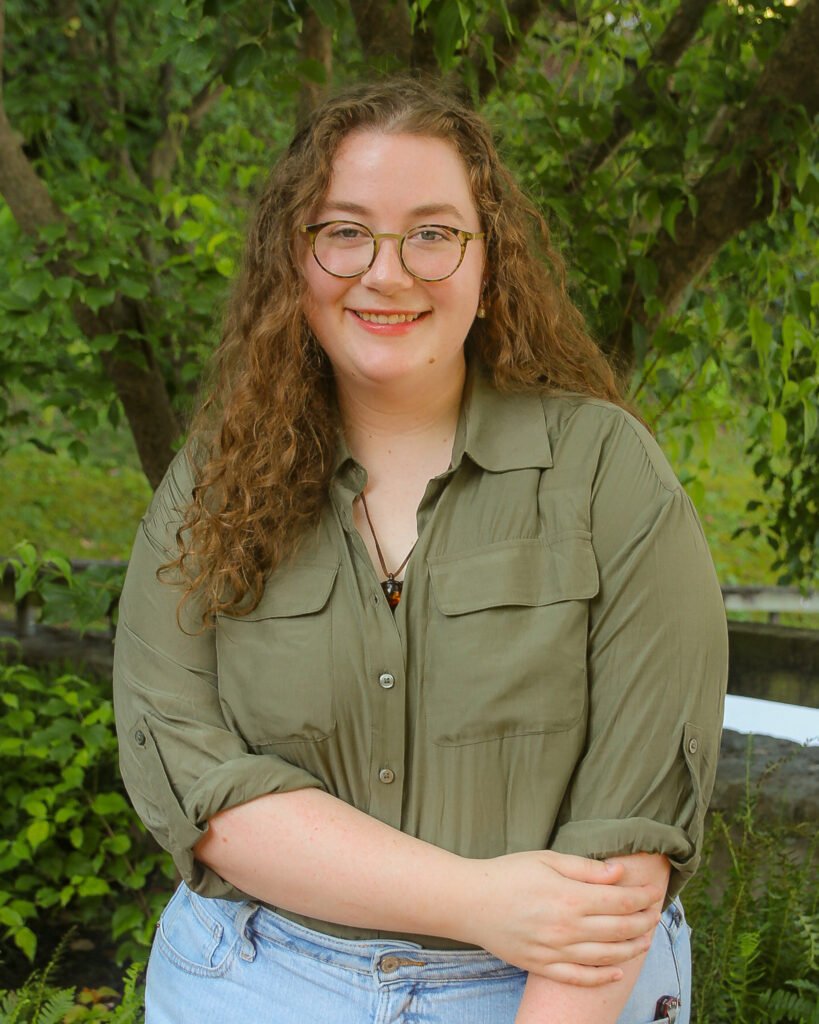
Q&A
Tell us a little bit more about yourself! Your life/work prior to arriving at Arrowmont and any interesting facts we should know about you!
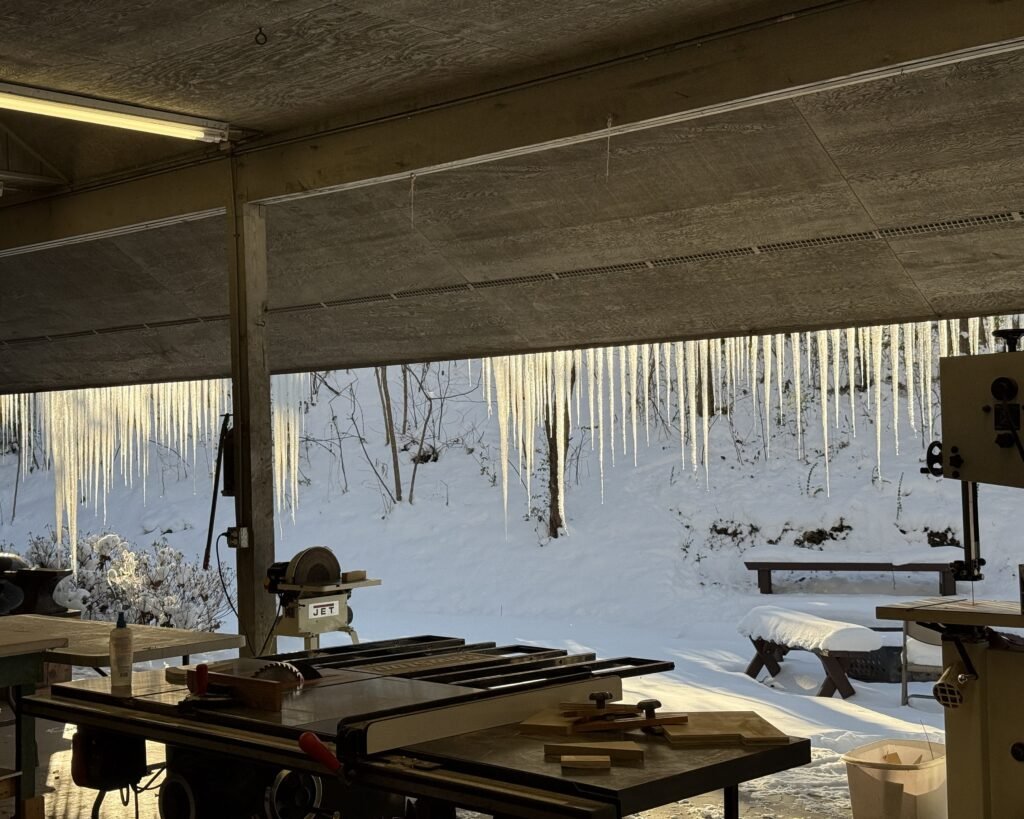
I was born and grew up in Urbandale, a suburb of Des Moines, Iowa, where I lived close to my extended family. I was very involved with sports up until the end of high school, namely softball and bowling. A little random fact is that my high score in bowling is a 264! After high school, I went to Iowa State University and ended up majoring in industrial design, even though I had no idea how to use power tools and was generally terrified of the wood shop. Feels silly now how scared I was of the tools back when I first started since a wood shop is where I feel most comfortable now. Once I finished my undergrad, I moved to Rochester, NY, to pursue my master’s in furniture design at Rochester Institute of Technology, which is where I was immediately before moving down here to Arrowmont. I was pretty involved in teaching and classes in the wood studio, helping students talk through and build their projects, while also having a bench and studio space of my own to continue exploring different wooden objects I was designing and thinking about.
What drew you to the Artists-in-Residence Program at Arrowmont?
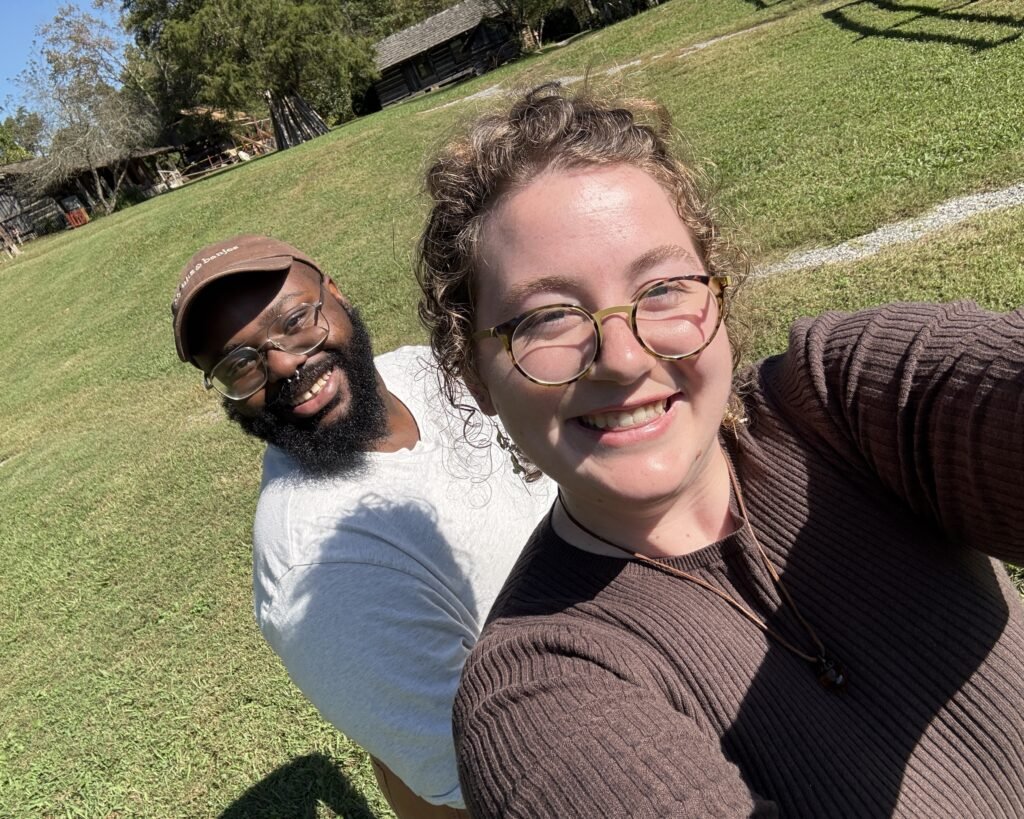
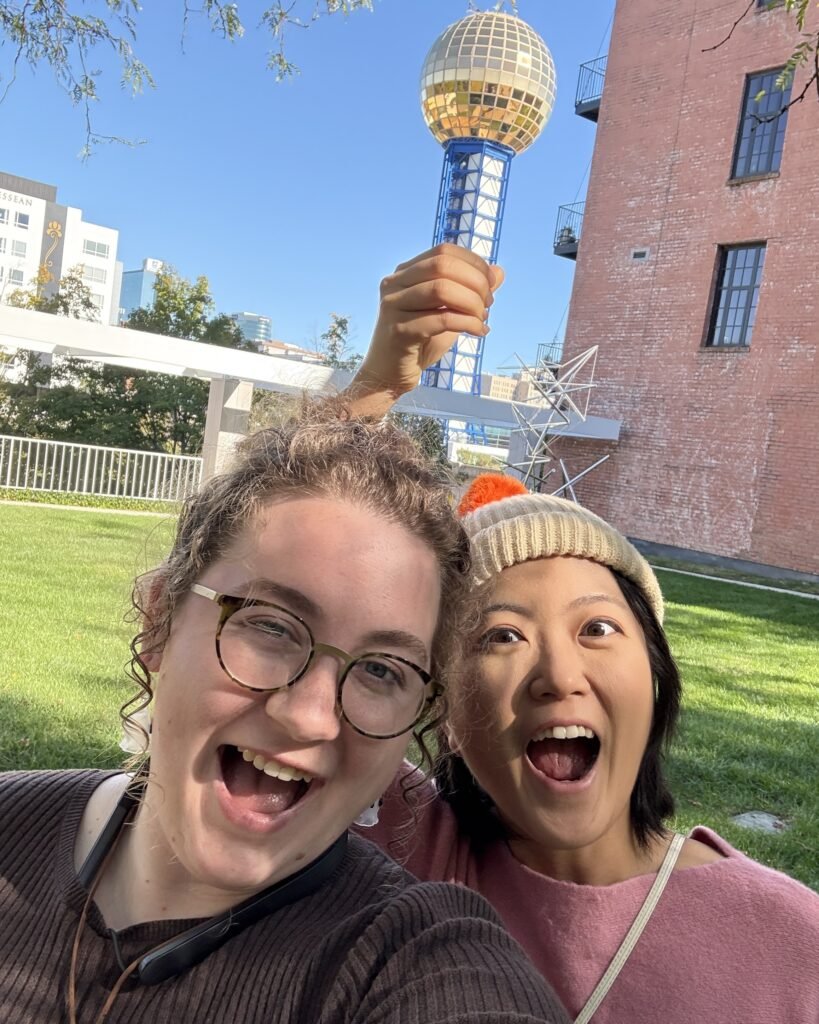
In the summer of 2024, I came to Arrowmont as a studio assistant to Peter Keun Ho Park (who’s an awesome wood artist!) and found the environment on campus and studio spaces to be very well stocked and incredibly nice. I had known about Arrowmont as a craft school before then, but hadn’t had much experience with it previously and wasn’t really aware of the residency program. Having that experience of being on campus, seeing the studios, and meeting the lovely Arrowmont community made me excited to apply. I liked the idea of being around many different craft media artists and making work in a space vibrating with all these new ideas. It seemed like a place where I could experiment with new media, which was also an exciting idea for me. In addition to all of that, I was also really interested in Arrowmont’s location being near the national park and how that would influence the work that I was making, since a lot of my work feels site-influenced, specifically within nature.
What is something that you have learned about yourself during your residency here (so far)?
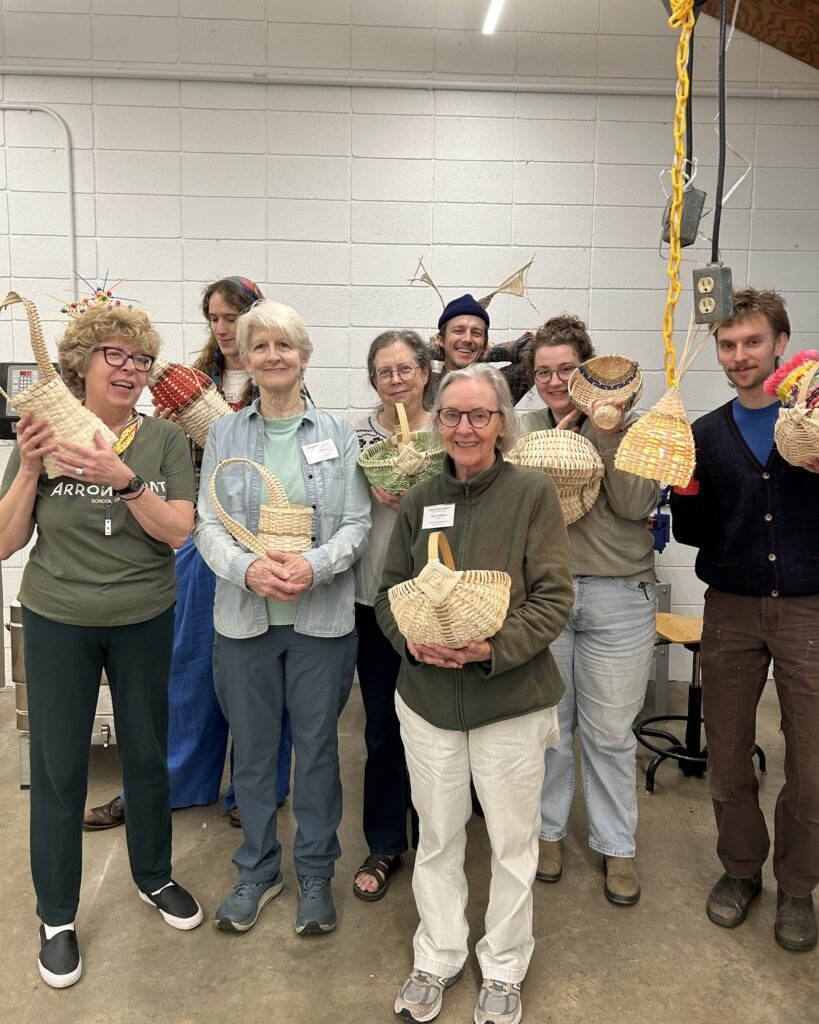
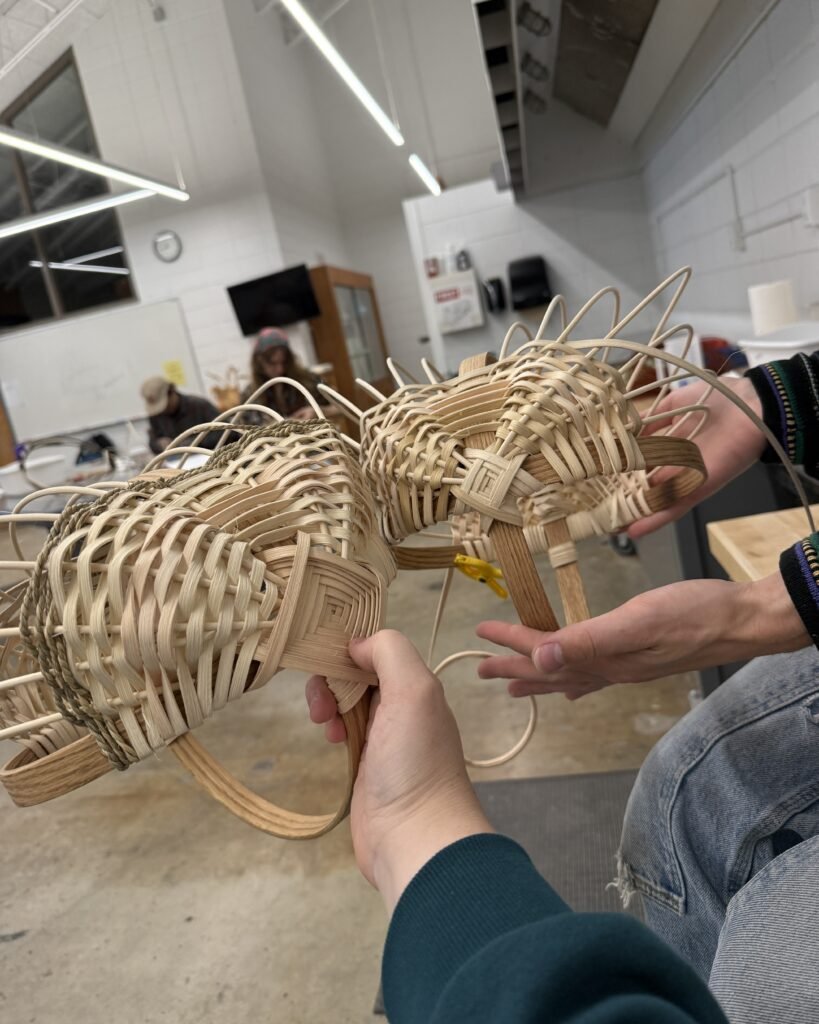
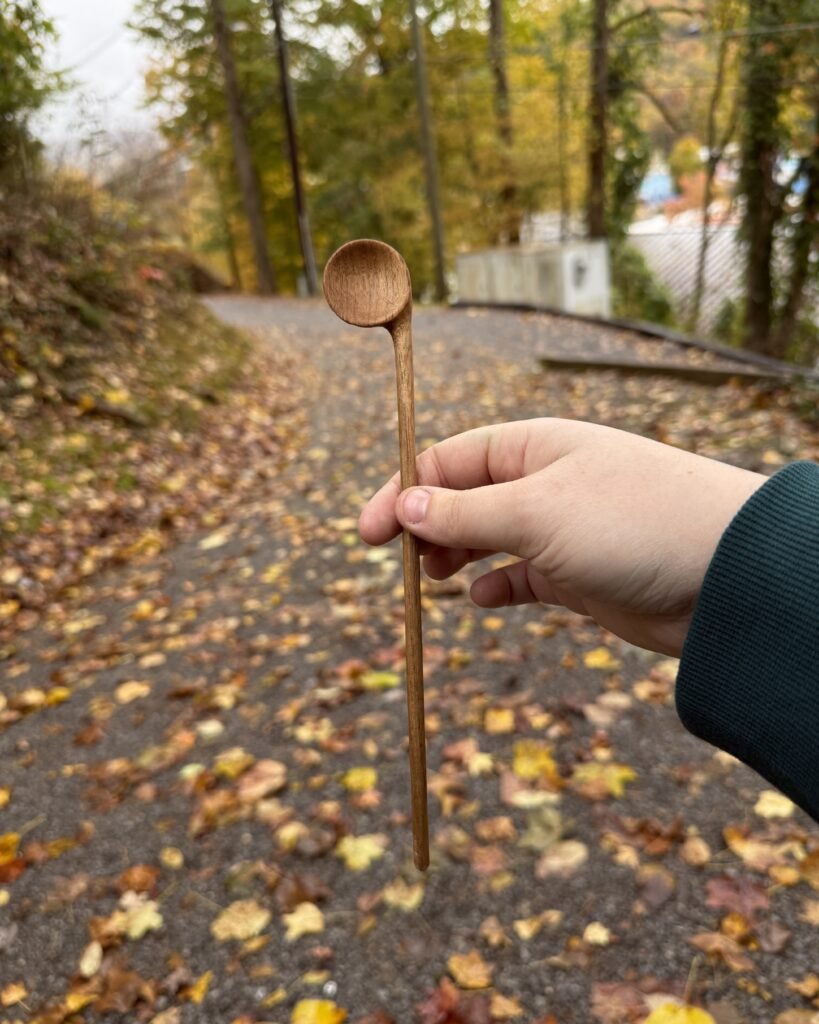
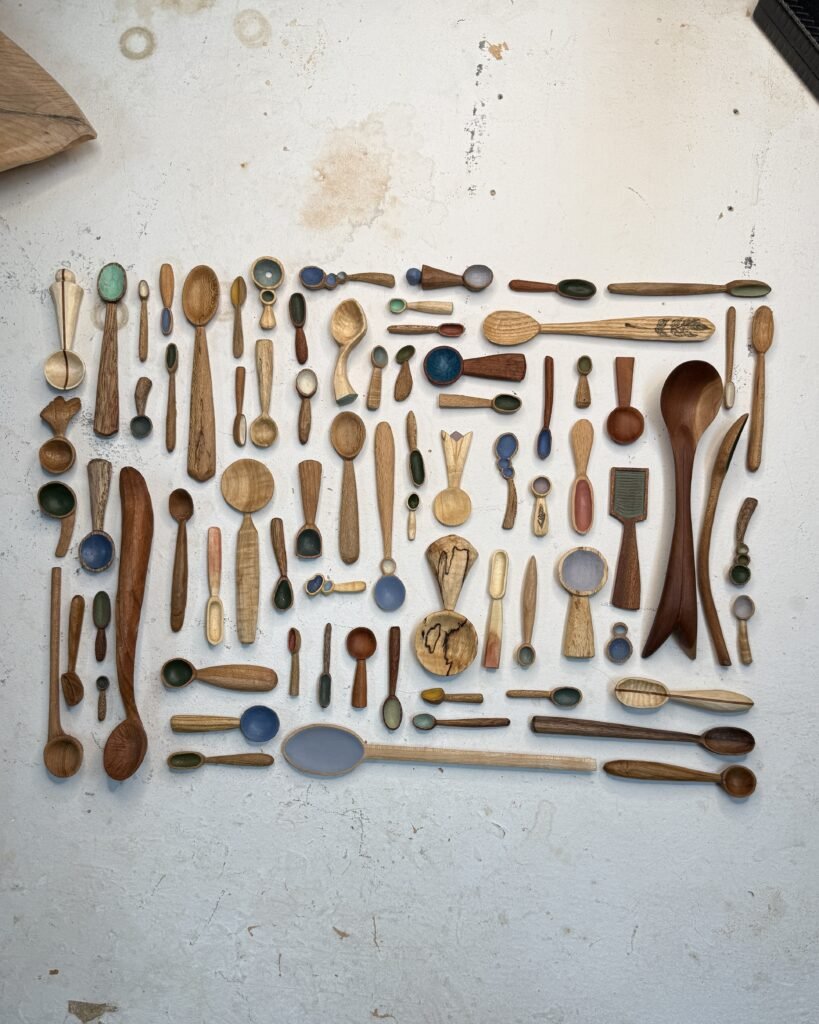
I learned that being part of a vibrant craft community makes it really easy to want to try or learn everything, which means I get sidetracked by learning/trying new media and techniques. I am always interested in new techniques and media and being here further pushed my interest in new mediums. More than ever, I realized while being here that if I needed something, I could just build it myself, which is really empowering. I’ve made several jigs to make cuts for pieces before, but beyond that, I can make fixtures, stands, walls, and pedestals. Although I guess I knew I could, it was exciting to put them into practice. Also, a lot of people are really into colorful tiny spoon collages (maybe just as much as I am).
Tell us a bit about your work process and how it has changed since you have been at Arrowmont!
Most of my ideas start with a sketch after I find a seed or other natural element I’m drawn to. Once I loosely sketch an idea I like, I draw it to scale so I can see how all the elements work together as a whole piece. Then it goes to the building stage, where I can work on shaping and carving the different pieces. Being at Arrowmont has given me the space and tools to continue working on furniture and sculpture loosely inspired by the nature around me. I tend to work on many things at once and skip around to different things when I’m feeling like I want to shape or carve, do math and measure, or even free carve some spoons. Along with this, I have been trying new media and processes, which are really getting integrated into my work, which is new as well.
Can you share any specifics about your work for the closing AIR exhibition in May? Everyone loves a teaser!
For the AIR exhibition, I expect to have a lot of flora and other organic shapes amongst the different objects I’m constructing. Lots of texture and hand shaping in the work. Think leaves, seeds, flowers, and pops of color!
What has been the most valuable thing you’ve learned in your residency?
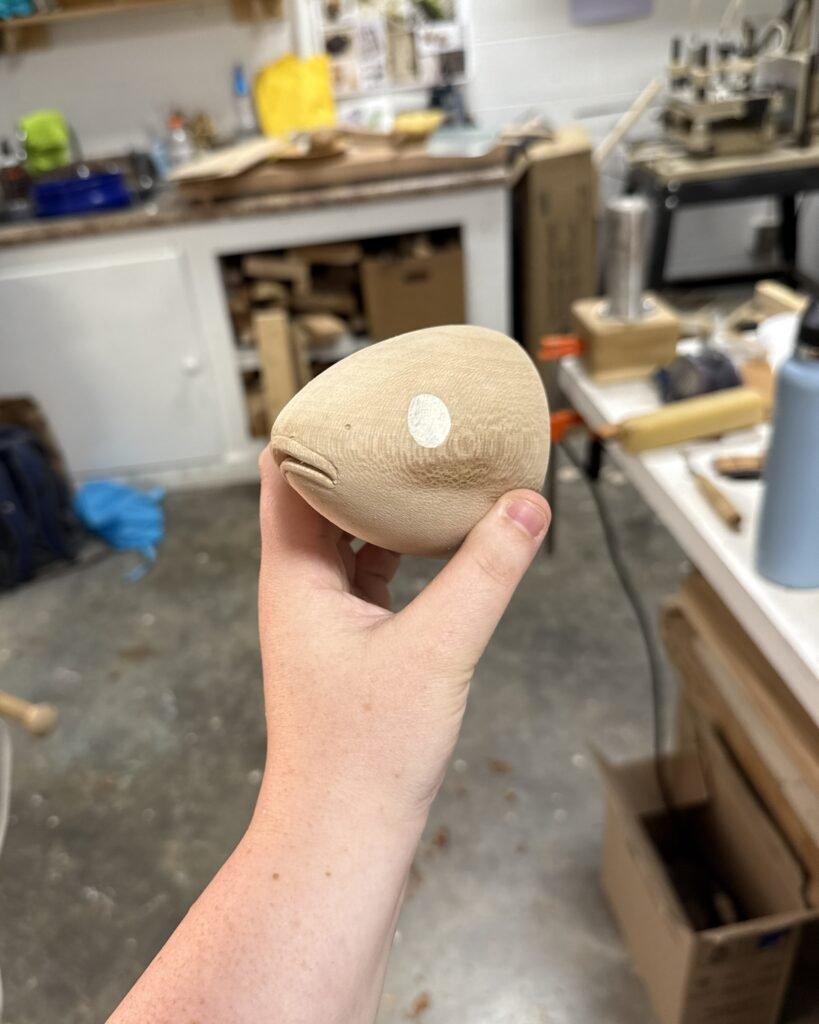
Honestly, I would have to say that how to properly turn bowls has been one of the most valuable things I’ve learned while being here in terms of my woodworking practice. I know I’m not perfect, but I’m so much more comfortable with the tools, sharpening/profiling them, and have been able to build up confidence with having access 24/7 to a lathe. I’m much more comfortable with the process and likely won’t have anything bad happen because I’ve been taught how to properly remove material safely.
As an Arrowmont Artist-In-Residence, you have the opportunity to participate in our youth outreach program, ArtReach, as an instructor. How did your work as an artist influence the workshop you taught? Did you learn anything from the kids who participated?
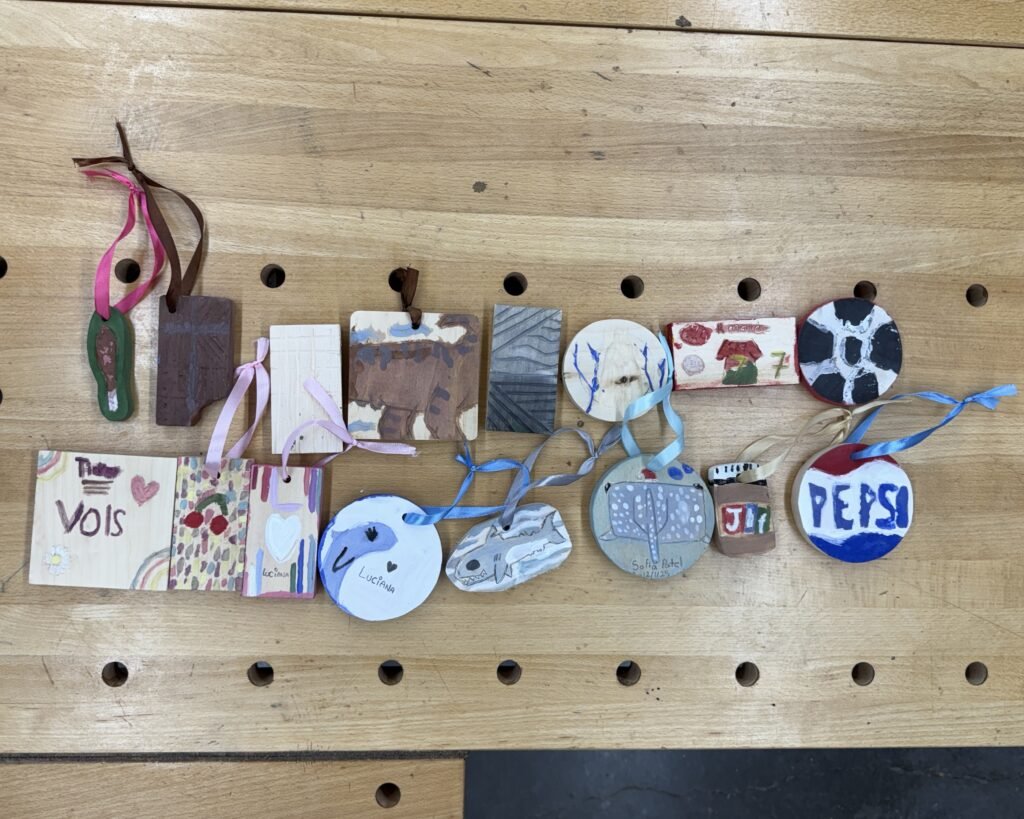
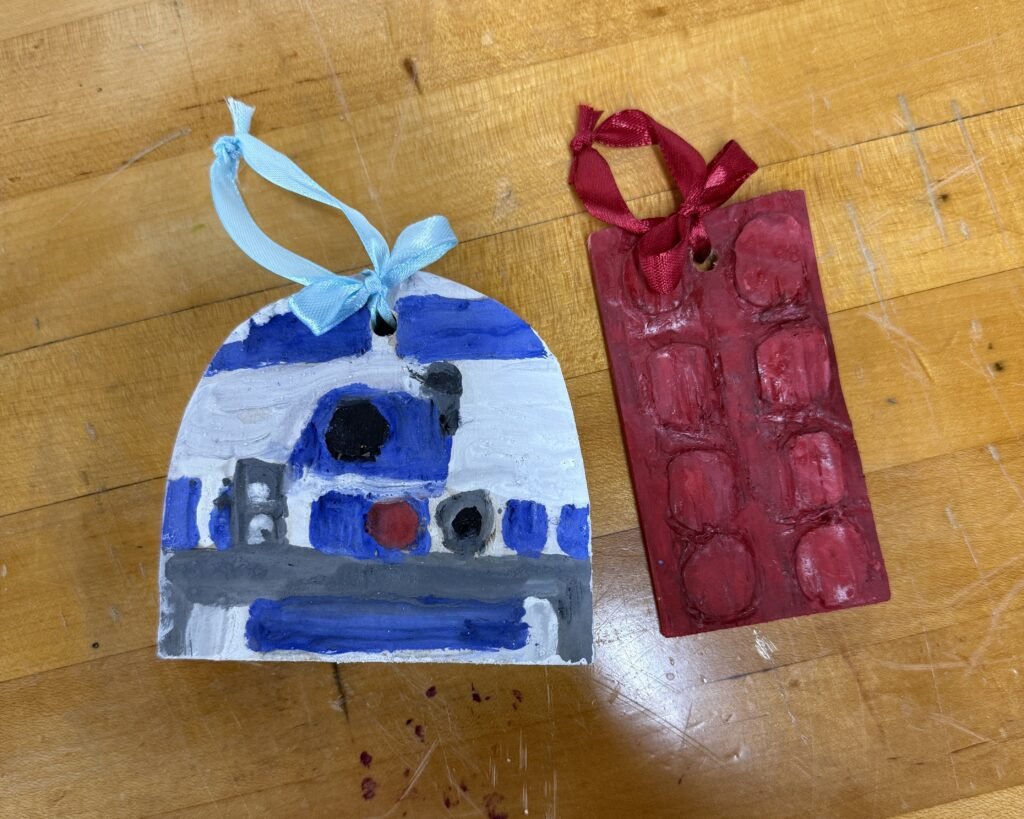
So, my work tends to feature a lot of carved elements and textures created with gouges and knives, and I combine them with milk paint. I wanted to incorporate some of these hand-tool processes with the children. Although I was a bit worried about handing a child a sharp tool, I found that almost all of them were very responsive to my instructions and made sure they were holding the tool properly, so they wouldn’t get cut but could get clean carving lines. ArtReach is so important because it’s some of the kids’ first opportunities to see a wood shop and even work with wood, which is super exciting to me. It was so rewarding to see them light up when they got the hang of the tools or were able to carve what they envisioned. There was so much excitement in the studio each day, along with so many imaginative projects. Although milk painting was a bit messy each time, I think the children had a lot of fun doing both activities.
What advice would you give to a future Artist-in-Residence?
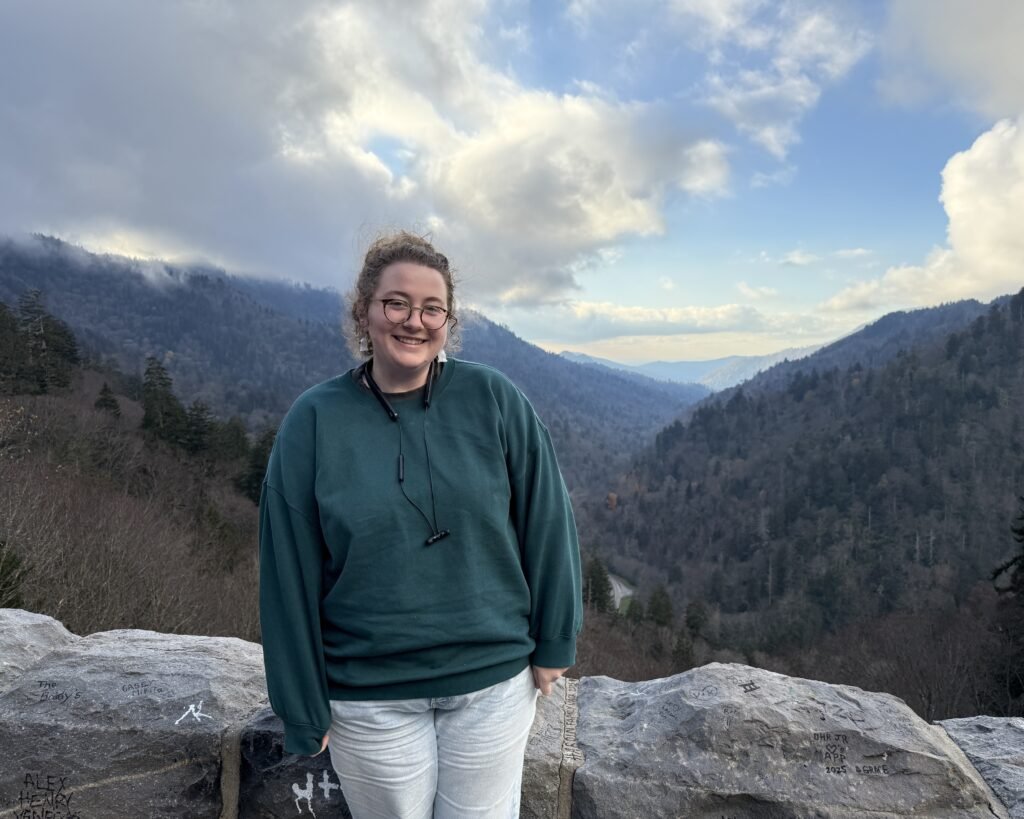
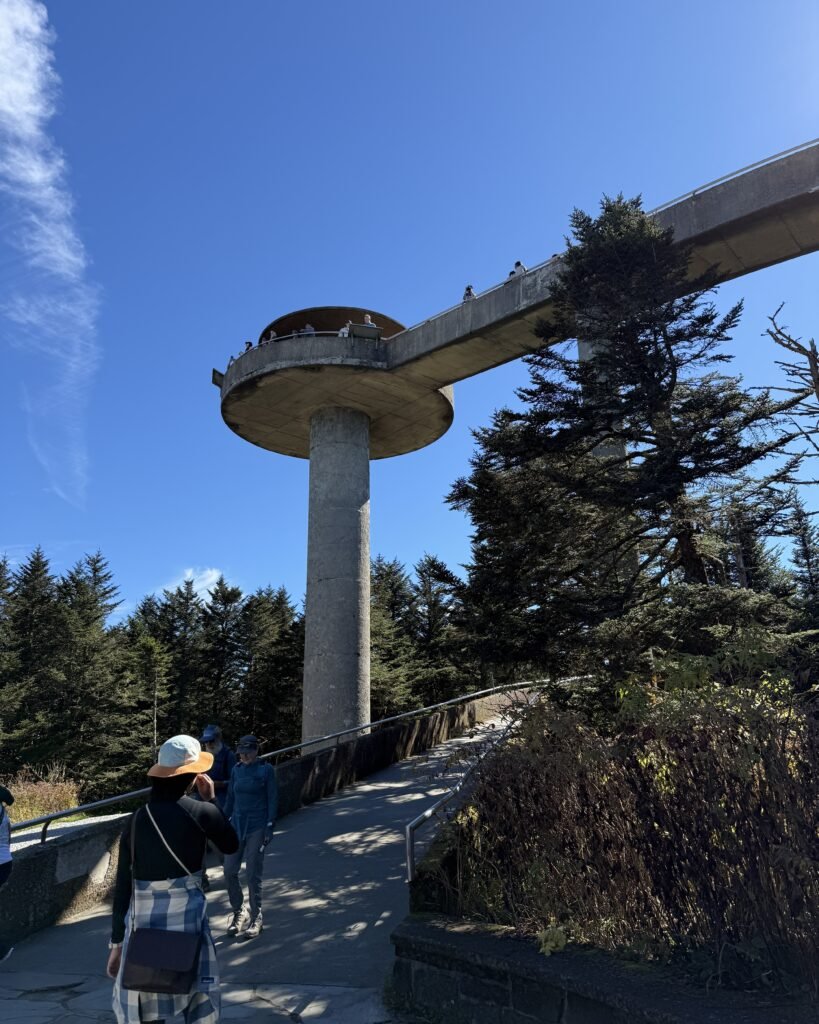
Taking the time to go hiking, walking, or even driving in the national park is really worth it. No matter where you end up, you won’t be disappointed. Make sure you play some mini golf, and most importantly, don’t be too hard on yourself for settling in and getting used to the flow of how Arrowmont runs. It took me a little bit of time, but I wouldn’t have it any other way.
Is there anything else you’d like people to know about you, the residency, or Arrowmont? We’re all ears!
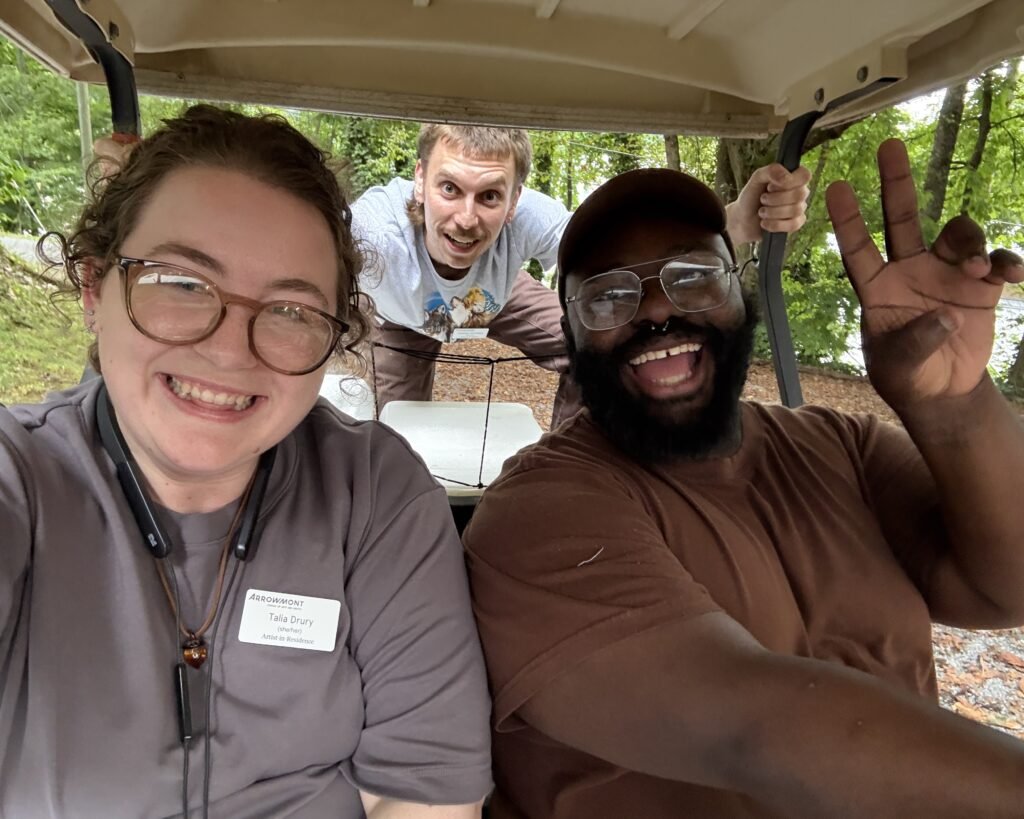
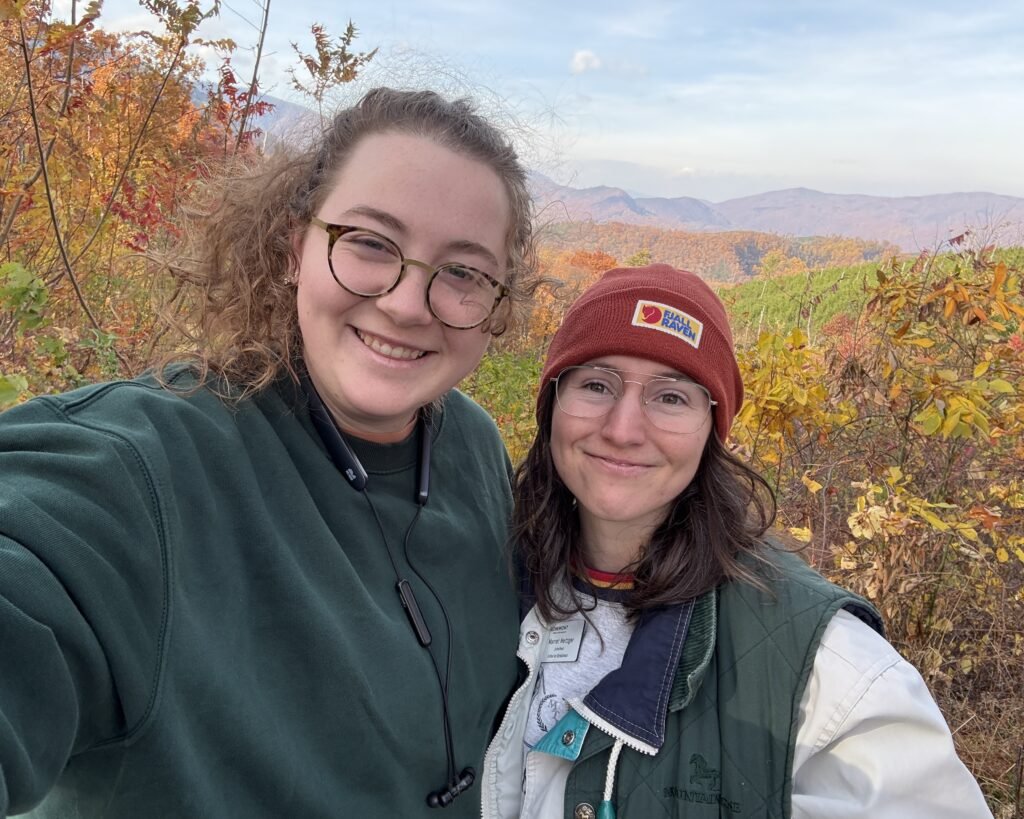
Arrowmont has provided me with a space to continue exploring not only woodworking but also many other media, and it has been so supportive. It’s been so lovely to meet all the people coming through the different programs, the staff, and especially the other AIRs. Overall, this has been a wonderful experience, and I’m excited for everyone to see our show!
2026-2027 Applications are currently closed.
Questions about the program? Contact Kelly Hider at [email protected]
